

University libraries are evolving fast — and automation is leading the way. This article explores how RFID technology stacks up against traditional systems, offering insights into efficiency, costs, and long-term ROI for institutions looking to modernize their library operations.
In today’s rapidly evolving academic environment, universities are under constant pressure to enhance efficiency and provide students with seamless access to resources — all while managing tight budgets. One major area of transformation has been library management. As digital-first learning becomes the norm, libraries are rethinking how to optimize their operations. Among the most debated upgrades is the move from traditional barcode-based systems to RFID (Radio Frequency Identification) technology. But does RFID truly offer a better return on investment (ROI) compared to traditional systems? Let’s explore.
The Limitations of Traditional Library Systems
Traditional barcode-based library systems have long been the backbone of library management. While reliable, they come with inherent drawbacks — mainly their manual and time-consuming nature. Every book must be scanned individually during check-in, check-out, or inventory processes. For large universities managing tens of thousands of resources, this results in long queues, increased staff workload, and a higher risk of human error. Moreover, traditional systems often struggle to integrate with digital learning platforms and self-service technology that modern students expect.
The RFID Advantage: Efficiency Meets Innovation
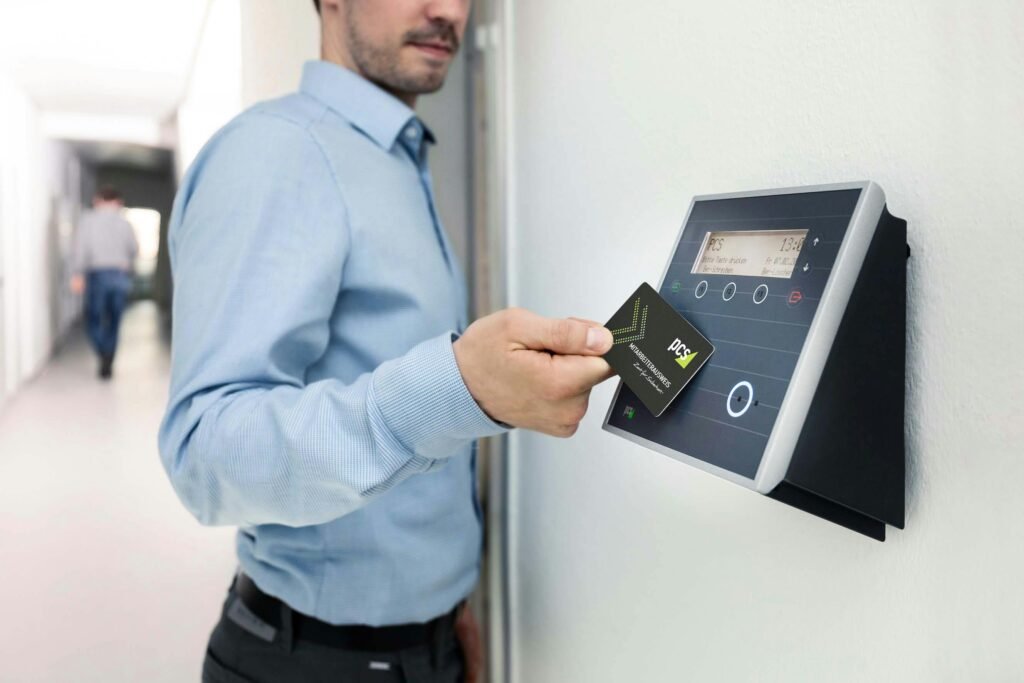
RFID technology transforms how libraries operate. Unlike barcodes, RFID tags can be read wirelessly and in bulk, meaning dozens of books can be processed in seconds. This efficiency extends to every corner of library management — from inventory tracking and theft prevention to user self-service. RFID-based self-check kiosks, smart return boxes, and digital gate systems enhance convenience and security simultaneously. Staff can redirect their efforts from repetitive tasks toward student support and academic engagement, improving both service quality and user satisfaction.
ROI Perspective: Cost vs. Long-Term Value
While the initial investment in RFID may seem higher than sticking with a traditional system, the long-term ROI tells a different story. Universities that have adopted RFID often experience significant savings in staff time, faster operations, and fewer resource losses. Inventory checks that once took weeks can now be completed in hours. Additionally, RFID data enables real-time analytics, allowing administrators to make data-driven decisions about resource allocation. Over time, the technology not only pays for itself but also contributes to a more sustainable and efficient library ecosystem.
The Future: Smart Libraries for Smart Learning
Beyond immediate cost savings, RFID serves as the foundation for smart libraries — spaces that combine automation, analytics, and accessibility. Integrating RFID with digital catalog systems and campus databases provides deep insights into usage trends, helping universities plan acquisitions, space layouts, and even personalized student experiences. The technology aligns perfectly with the growing shift toward smart campuses, where data and connectivity shape more responsive learning environments.
At Make My Library, we empower universities to make informed, cost-effective decisions about their automation investments. Whether upgrading from traditional systems or building a fully automated smart library, we help institutions maximize their ROI and create future-ready spaces that elevate the learning experience for all.


Related items

Modern school libraries are evolving into vibrant centers of innovation, technology, and c

Public libraries are evolving into digital community centers. This article explores how go

Academic libraries are entering a new era powered by AI, analytics, and design thinking. E